Heat Pumps & Heating
Heating repair in Miami for the nights that need it
Most Miami homes heat with electric strips in the air handler or a heat pump, and most only ask for heat a few nights a year. When the first cold front arrives and the heat doesn't come on, or smells like it's burning, we find out why.
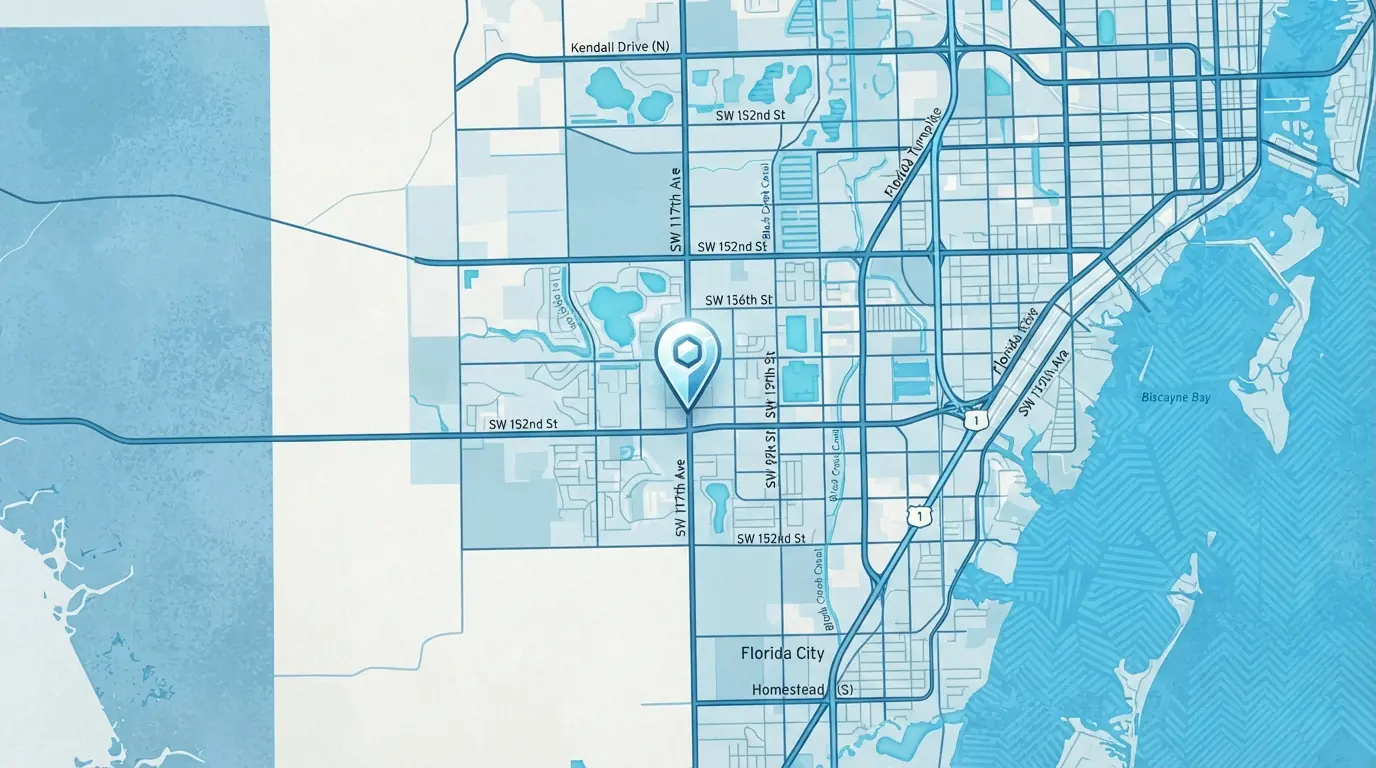
Miami service office on SW 117th Ave · We answer 24/7
- Answered 24/7
- Miami service office
- Heat strips and heat kits
Updated October 2026
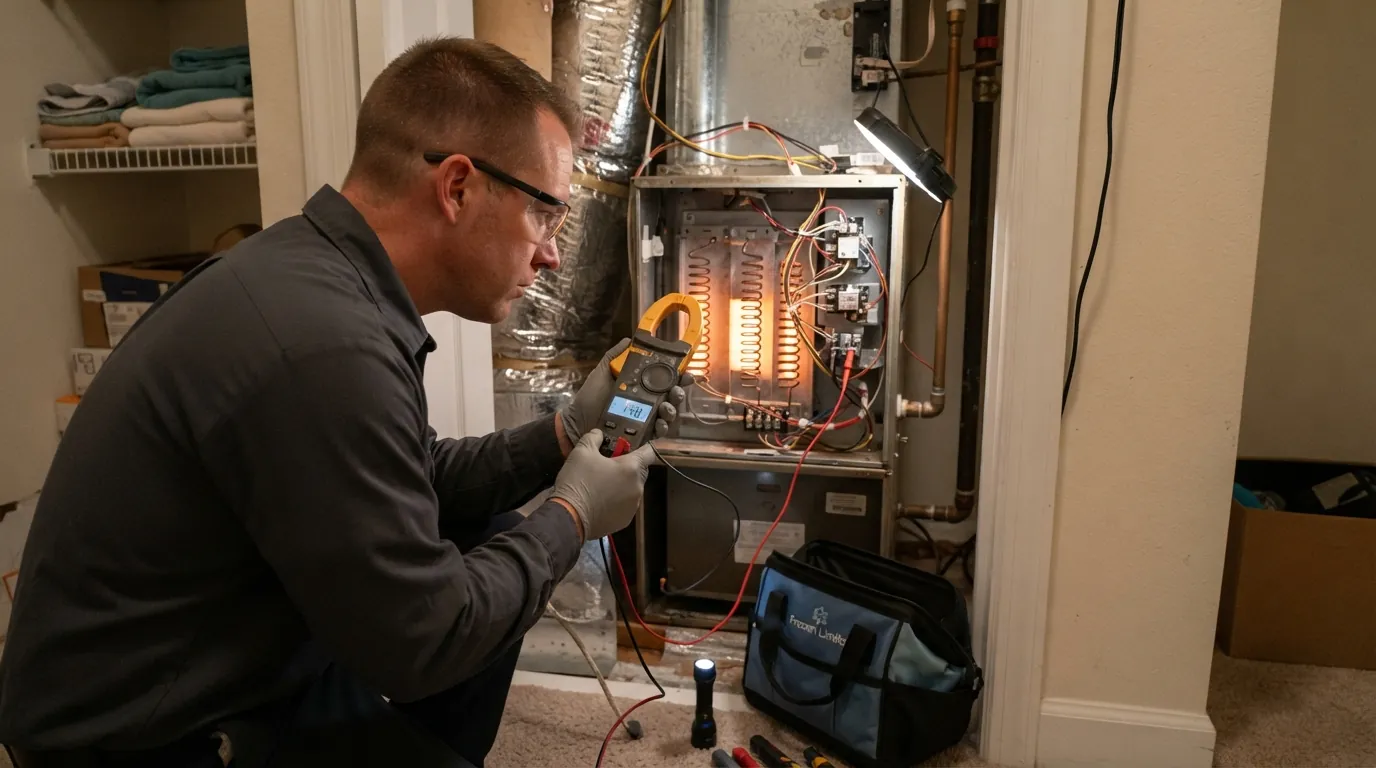
Heating repair in Miami usually means the electric heat strips inside the air handler: a failed element, a tripped limit switch, a bad sequencer or relay, or a breaker that trips when the heat comes on. A technician from our SW 117th Ave office tests each element and its safety controls, and confirms whether a burning smell is harmless dust burning off or a real fault.
Warning signs
Signs your heating needs attention
Cool air with the heat on
Elements or relays not energizing.
Some heat, not enough
One element of several has failed.
Burning smell that lasts
Wiring or element damage.
Breaker trips on heat
A short or an oversized kit.
Heat comes on then shuts off
A limit switch tripping on low airflow.
Scorch marks at the air handler
Overheated terminals; switch off.
Lights dim when heat starts
Heavy draw on an undersized circuit.
The job
How Miami homes heat, and why it fails when it's finally needed
The typical Miami system heats with an electric heat kit: coils of resistance wire in the air handler, switched on in stages by relays and protected by limit switches. They sit unused for months, collecting dust, and are asked to work hard on the first cold night of the year.
That's when the weak spots show: an element that burned through, a limit switch that tripped and won't reset, a relay that doesn't close, or wiring that heated up and loosened at its terminals.
Step by step
How a heating repair visit runs
- 1
Check the thermostat
Mode, setpoint and heat call.
- 2
Power and breaker
Supply to the heat kit.
- 3
Test each element
Resistance and current draw.
- 4
Test relays and limits
Sequencers and safety switches.
- 5
Inspect the wiring
Terminals and insulation for heat damage.
- 6
Repair
Priced before any work.
- 7
Run the heat
Temperature rise and airflow confirmed.
What we see on this job
Electric heat strip replacement
A heat strip element that has burned open simply stops heating, and on a kit with several elements the house gets some heat but not enough. We test each element's resistance and the current it draws when energized, inspect the wiring and terminals for heat damage, and replace failed elements with the correct rating. Where the element burned because airflow was low, from a dirty filter or a failing blower, we fix the airflow too, since the new element would fail the same way.
Air handler heat kit
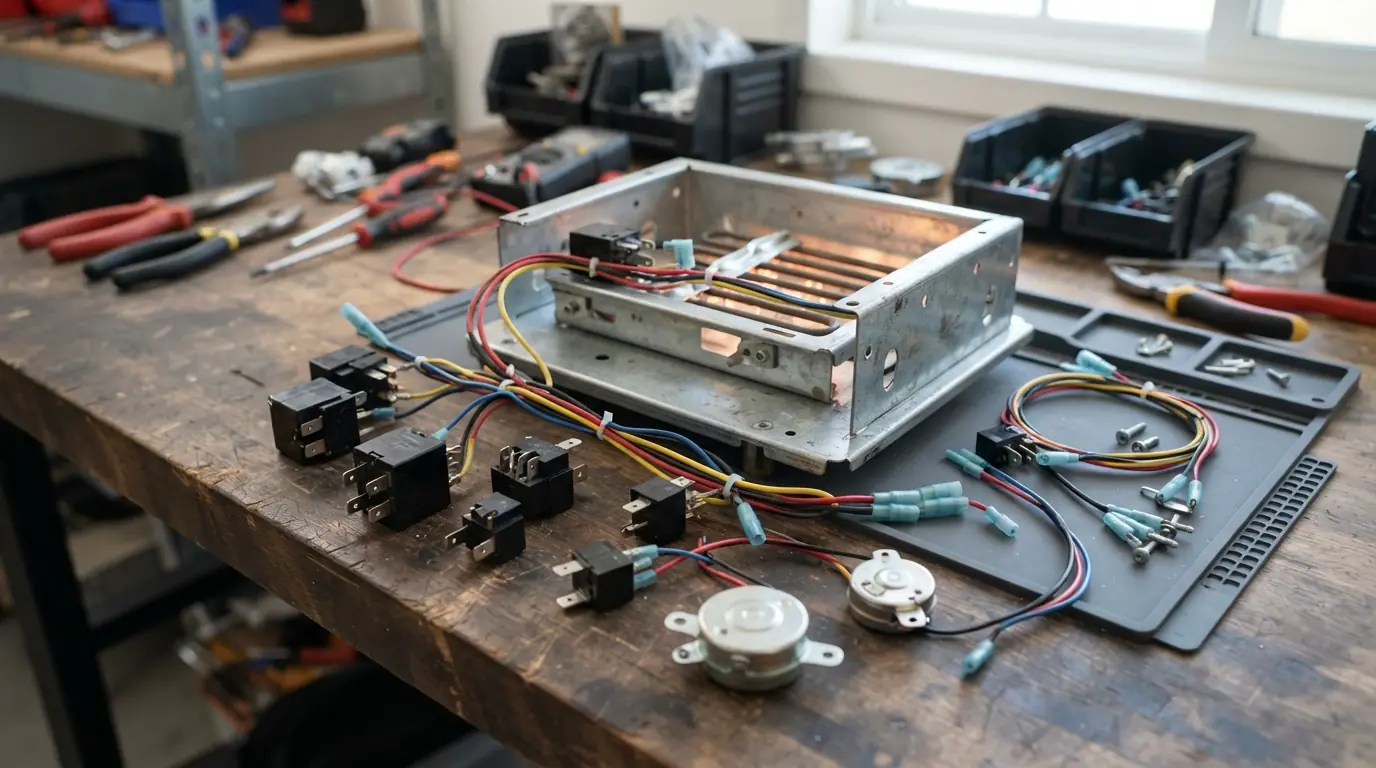
The heat kit is the assembly of elements, relays or sequencers, limit switches and the breaker that feeds it. Kits can be oversized for Miami homes, drawing more current than the circuit comfortably carries, which trips breakers or overheats wiring. We check the kit's rating against the heating load and the breaker and wire size, and when a kit needs replacing we size the new one to the house, often smaller, rather than matching the old one, and correct the breaker and wire to suit.
Burning smell on the first cold night
A dusty, slightly burning smell for the first few minutes after the heat comes on for the season is usually dust burning off the elements, and it fades quickly. A smell that persists, smells like hot plastic or electrical insulation, or comes with smoke, a tripped breaker or scorch marks is not normal. Switch the heat off at the thermostat and the breaker and call. We check the element wiring, the terminals and the limit switches for heat damage before the system is used again.
Timing
How long a heating repair takes
Most element, relay and limit switch repairs take one to two hours from arrival. A complete heat kit replacement, or rewiring after heat damage, can take longer, and an attic air handler adds time. We carry common elements and relays on the van, so most cold-night calls are fixed on the first visit.
Local conditions
The one cold week that tests the heat
Miami gets only about eight nights a year at 50 degrees or below, and the coldest days usually come in mid-January. That means a heat kit can sit untouched for most of a year and then be asked to run for hours on the first cold night, which is exactly when dusty elements, loose terminals and weak relays show themselves.
What moves the price
What decides the price of a heating repair
Planning range: Residential diagnostic visit in Miami: $79-$250 in published 2026 guides. A market range, not our quote.
Failed part
An element, relay or limit switch.
Kit replacement
When several parts have failed.
Wiring damage
Heat-damaged terminals or wire.
Breaker and wire size
Corrected for an oversized kit.
Airflow problems
Filter or blower fixes that caused the failure.
Access
Attic air handlers take longer.
Time of the call
After-hours visits carry a premium.
FAQ
Questions Miami customers ask about heating repair
For a few minutes at the start of the season it's usually dust. If it lasts or smells electrical, switch it off and call.
A failed element, a short or a kit too large for the circuit. We test each.
Yes. You'll get some heat, but not enough on a cold night.
On a cold night with elderly people or infants in the home, yes. We answer 24/7.
If you're replacing the system anyway, often yes. For a single repair, fix what failed.
Yes; see our heat pump repair page for reversing valve and board problems.
Same category
Related heat pumps work we handle in Miami
Heat Pump Installation
Heat pump vs straight-cool AC, heat pump sizing for South Florida.
Heat Pump Repair
Reversing valve problems, defrost board faults.
Pool Heat Pump Installation and Repair
New pool heat pump sizing and install, heat exchanger and coil repairs.
No heat on a cold Miami night? Call and a person answers
A technician tests the heat kit, the elements and the safety controls and gets the heat running.